
Community
Interview: SU political science professor Grant Reeher talks Election Day aftermath
By Leila Ahmed
Advertisement · Why this ad?
A graduate of the University at Buffalo, Leila has spent five years in journalism, previously working at a community-focused news outlet in Rochester, NY. She specializes in uncovering the diverse voices and cultural richness of Syracuse’s neighborhoods, bringing their stories to light.
More from Leila →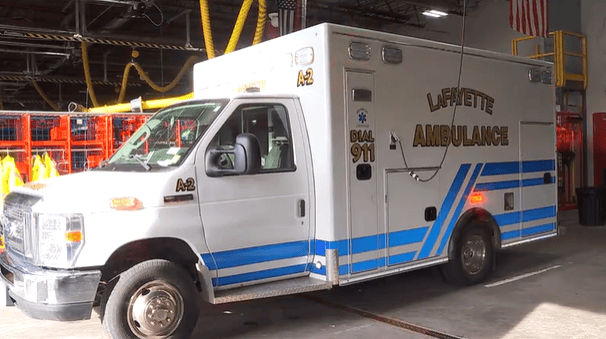
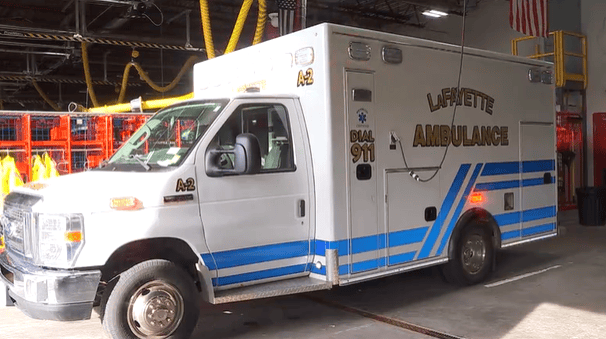
On a crisp autumn evening, the LaFayette community gathered at the local polling station, a familiar spot where neighbors often exchange pleasantries and share stories. Yet, the atmosphere was tinged with tension as residents prepared to cast their votes on a contentious issue: a tax proposal aimed at funding 24-hour ambulance services. As the results rolled in, a palpable silence enveloped the room when the final tally revealed that the measure had been rejected by a mere 36 votes.
In the recent election held on Tuesday, November 7, 2023, LaFayette voters faced a pivotal decision regarding the future of emergency medical services in their town. The proposed tax increase of $332 annually for homeowners with properties valued at $200,000 was designed to ensure that ambulances would be available around the clock. However, the ballot measure fell short, with 1,207 votes against it compared to 1,171 in favor. The narrow defeat has left town officials and residents grappling with the implications for public safety in their community.
Town Supervisor, Laura D. Smith, expressed disappointment over the outcome, emphasizing the importance of reliable emergency services. "This was not just a tax; it was an investment in our community's health and safety," she stated, her voice thick with emotion. The proposal aimed to address the increasing demand for ambulance services in LaFayette, a rural area that has seen a rise in population and, consequently, a greater need for timely medical assistance.
Smith and other town leaders had campaigned vigorously for the measure, highlighting the potential risks of not having 24-hour ambulance coverage. They pointed to instances where delays in emergency response could have dire consequences for residents in need of immediate care. The rejection of the proposal, however, raises questions about how the town will manage its emergency services moving forward.
The response from LaFayette residents has been mixed. Many who opposed the tax increase cited concerns about the financial burden it would impose on families, especially those on fixed incomes. Local resident Tom Jenkins, a father of three, voiced his apprehensions: "We want to ensure our families are safe, but we also have to consider the budget. An extra $332 a year is a lot for many of us." His sentiments reflect a broader hesitation among voters who worry about escalating taxes in a time of economic uncertainty.
Conversely, there are those who feel passionately about the need for enhanced emergency services. Sarah Thompson, a LaFayette resident and volunteer firefighter, expressed her frustration with the vote. "This isn't just about money; it's about lives. We need to prioritize our safety, and that means having an ambulance ready when we call for help," she said, underscoring the urgency that many feel regarding the town's medical infrastructure.
The debate surrounding the proposal has sparked conversations among community members about the future of LaFayette's emergency services. Some have proposed alternative funding solutions, such as community fundraising events or partnerships with neighboring towns to share resources. The town's leadership is now tasked with finding a viable path forward that balances fiscal responsibility with the pressing need for adequate emergency care.
In the wake of the vote, town officials are exploring various options to address the pressing need for ambulance services without imposing additional taxes on residents. Supervisor Smith indicated that discussions are underway to assess the current capabilities of the LaFayette Fire Department, which has been providing emergency response services. "We need to evaluate our existing resources and see how we can optimize them to ensure we are prepared for emergencies," she noted.
Additionally, town leaders are considering reaching out to neighboring municipalities to explore potential collaborations. By pooling resources with nearby towns, LaFayette may be able to enhance its emergency response capabilities without placing the financial burden solely on its residents. This collaborative approach could serve as a model for other small towns facing similar challenges, demonstrating the power of community partnership in addressing critical needs.
As the town navigates this transitional period, community forums are being organized to engage residents in discussions about their priorities for public safety. These forums will provide a platform for residents to voice their concerns, share ideas, and work collectively towards solutions that benefit all. The outcome of these discussions could shape the future of emergency services in LaFayette, ensuring that the community remains resilient in the face of challenges.
The rejection of the ambulance tax proposal has far-reaching implications for LaFayette's residents. Without the additional funding, the town may struggle to maintain adequate emergency services, which could lead to longer response times and increased risks for those in need of urgent medical care. The stakes are high, particularly for vulnerable populations such as the elderly and those with chronic health conditions.
Moreover, the decision has ignited a broader conversation about the role of community engagement in local governance. Many residents feel that their voices were not fully heard during the campaign leading up to the vote. This sentiment has prompted calls for greater transparency and involvement in future decision-making processes, as residents seek to ensure that their needs are prioritized.
In light of these challenges, community organizations are stepping up to offer support and resources. Local health initiatives are being mobilized to educate residents about emergency preparedness and the importance of having a plan in place for medical emergencies. These efforts aim to empower residents to take charge of their health and safety, fostering a culture of preparedness within the community.
As LaFayette moves forward from this narrow defeat, the community is reminded of the importance of unity and collaboration in addressing shared challenges. The town's leadership is committed to finding innovative solutions that prioritize the health and safety of all residents while respecting the financial constraints many families face.
In the coming months, residents can expect to see increased opportunities for engagement, including town hall meetings and workshops focused on emergency preparedness and community health. These initiatives will not only provide valuable information but also strengthen the bonds within the community, reminding everyone that they are in this together.
Ultimately, the story of LaFayette's ambulance tax proposal is one of resilience and the enduring spirit of a community that cares deeply for its members. As they navigate the complexities of local governance and public safety, LaFayette residents continue to exemplify the values of commitment and collaboration that define their town.
By Leila Ahmed

By Leila Ahmed
By Leila Ahmed

By Leila Ahmed